 Dubai

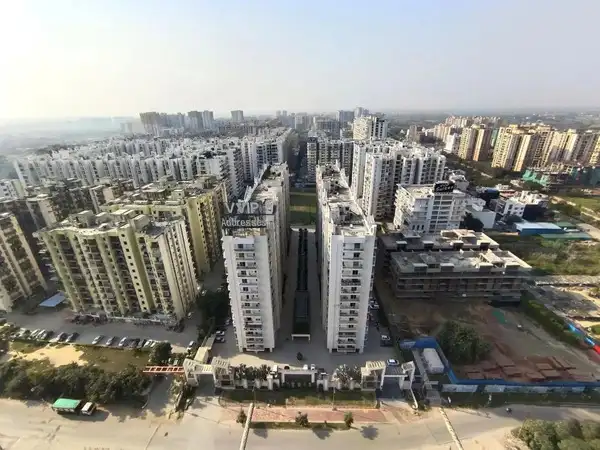
Noida is preparing for a new phase of vertical real estate development after the Noida Authority approved the adoption of the Model Building Regulations, 2026, removing the maximum Floor Area Ratio (FAR) limit for eligible group housing projects located along roads measuring at least 45 metres wide.
The policy change could significantly influence the city's residential development landscape by allowing developers to utilise expensive land parcels more efficiently and explore high-rise projects with greater development potential. The existing maximum permissible FAR for group housing projects in Noida was 3.5.
The decision follows the Uttar Pradesh government's approval of the Model Building Regulations, 2026, on October 9, 2026. The Noida Authority board subsequently approved their adoption at its 224th board meeting on October 28.
Noida's New FAR Policy: Key Details
The removal of the FAR ceiling is expected to encourage vertical development along major road corridors. It may also improve the financial feasibility of projects in established locations where land acquisition costs have increased substantially.
Policy Details | Information |
|---|---|
Policy Name | Model Building Regulations, 2026 |
Implementing Authority | Noida Authority |
State | Uttar Pradesh |
Board Approval | October 28, 2026 |
Eligible Development | Group Housing Projects |
Road Width Requirement | At least 45 Metres |
Previous Maximum FAR | 3.5 |
New FAR Framework | Maximum FAR Cap Removed |
Key Impact | Higher-Density and High-Rise Development |
Applicable Restrictions | Setbacks, Fire Safety, Aviation and Structural Norms |
The policy applies to qualifying group housing plots along roads at least 45 metres wide. It does not automatically grant unlimited construction rights to every residential or commercial property in Noida.
What Is FAR and Why Does Its Removal Matter?
Floor Area Ratio, commonly known as FAR, determines the total permissible built-up floor area in relation to the size of a plot.
For example, if a developer owns a 10,000-square-metre plot with an FAR of 3.5, the permissible floor area under that FAR is 35,000 square metres, subject to other planning regulations.
Removing the maximum FAR ceiling for eligible plots gives developers greater flexibility to propose additional built-up area. This could translate into more residential units, larger developments or taller buildings, depending on the plot, design and applicable approvals.
For developers, this is particularly relevant in Noida, where land prices on prime corridors have reportedly crossed ₹200 crore per acre. Higher development potential could improve project economics and make previously challenging land parcels more attractive for redevelopment or fresh residential projects.
However, the removal of the FAR ceiling does not mean that construction can take place without restrictions. Building height, setbacks, fire safety, structural stability and aviation clearances will continue to influence the final development plan.
Which Noida Locations Could Benefit?
The biggest opportunities are expected along major arterial roads and established growth corridors where qualifying group housing plots are available.
Some of the locations attracting attention include:
1. Sector 150, Noida
Sector 150 is known for its planned residential developments, open spaces and access to the Noida-Greater Noida Expressway. Its wider road network and residential character could make eligible land parcels relevant under the revised regulations.
2. Noida-Greater Noida Expressway
The expressway corridor connects several established residential and commercial sectors. Higher development potential on qualifying plots could encourage developers to evaluate new residential and mixed-use proposals.
3. Sectors Along Major 45-Metre and Wider Roads
Established sectors with plots directly abutting qualifying roads may receive greater attention from developers. The actual impact will depend on plot eligibility, existing development conditions and implementation guidelines.
4. Areas Towards the Jewar Airport Corridor
The wider Noida and Greater Noida region is experiencing infrastructure-led development interest around the upcoming airport ecosystem. However, projects in these areas will also need to comply with applicable aviation height restrictions and other planning requirements.
The locations listed above are potential areas of interest, not a confirmed list of projects or sectors that have already received additional development rights.
Why Developers May Welcome the New FAR Regulations
The policy change comes at a time when land availability and acquisition costs are becoming important challenges for developers in established urban markets.
Removing the maximum FAR ceiling could create several opportunities:
Better land utilisation: Developers may be able to generate more built-up area from eligible land parcels.
Improved project feasibility: Additional saleable area could help offset high land acquisition and development costs.
More housing supply: Higher permissible development potential could support additional residential inventory.
Vertical development: Developers may explore taller residential towers instead of relying primarily on conventional building formats.
Greater redevelopment potential: Certain eligible land parcels may become more attractive for future development proposals.
Industry representatives have also highlighted that increased development potential could help developers introduce more housing choices and modern residential communities in established parts of Noida.
Infrastructure and Safety Will Be Critical
While the policy could accelerate vertical development, higher-density housing will place additional demands on Noida's civic infrastructure.
More residential units can increase the requirement for roads, parking, electricity, water supply, sewage treatment, drainage and public transport. Firefighting access and emergency evacuation systems will also become more important as buildings grow taller.
The revised framework continues to require compliance with key safety and planning conditions, including:
Mandatory fire safety provisions.
Ground-level setback requirements.
Aviation height clearances.
Structural safety compliance and audits.
Appropriate access and circulation arrangements.
Structural audits are particularly important for high-rise buildings. Developers will need to plan suitable foundations, structural systems, lifts, water supply networks and emergency-response facilities according to the proposed building height and design.
Noida Authority has also indicated that a committee involving officials from Noida, Greater Noida and Yamuna authorities will examine implementation issues and matters requiring further decisions.
Will the New FAR Policy Affect Property Prices in Noida?
The removal of the FAR ceiling could influence property prices in two different ways.
On one hand, land parcels with higher development potential may become more attractive to developers, potentially increasing competition for eligible land along major roads. This could put upward pressure on land values in selected locations.
On the other hand, additional housing supply over time could give homebuyers more residential choices. Whether this translates into more competitive apartment prices will depend on construction costs, project positioning, buyer demand and the pace at which new inventory enters the market.
Premium projects with better connectivity, amenities and established locations may continue to command higher prices. Therefore, the policy should not be interpreted as an immediate guarantee of lower housing prices or higher property appreciation.
What It Means for Noida's Real Estate Market
The adoption of the Model Building Regulations, 2026, represents an important change in Noida's urban development framework. By removing the maximum FAR ceiling for qualifying group housing projects along roads at least 45 metres wide, the city is creating scope for more intensive land utilisation and vertical residential development.
For developers, the change could open new opportunities in high-value locations. For homebuyers, it may gradually expand housing options, although infrastructure capacity and construction quality will remain essential considerations.
The long-term success of the policy will depend on how effectively the authorities balance additional development potential with road capacity, public services, environmental planning and building safety.
Conclusion
Noida's decision to remove the maximum FAR cap for eligible group housing projects along roads measuring at least 45 metres could reshape the city's future residential development pattern. With land prices rising and demand for well-connected housing locations continuing, the revised framework may encourage developers to explore more high-rise and high-density projects.
However, the policy does not mean unlimited construction without conditions. Setback requirements, fire safety, aviation clearances and structural regulations will continue to govern individual projects.
As implementation progresses, the revised FAR framework could become an important factor influencing Noida's property supply, land values and future urban skyline.
For residential and commercial property opportunities across Noida and Greater Noida, connect with Investors Avenue.
Call: +91 8059912000